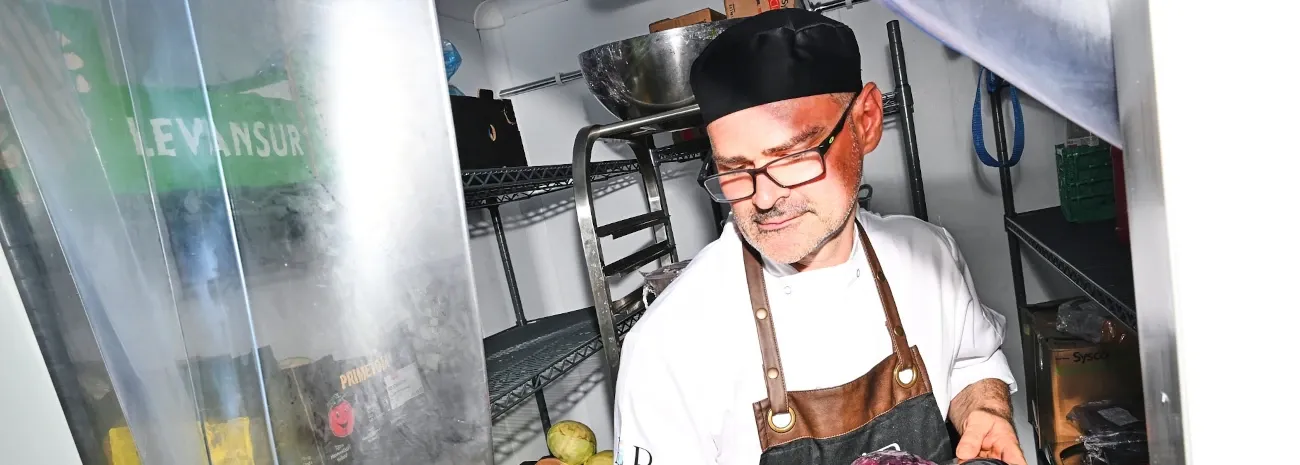
At Alliance in Partnership (AiP), net zero is not simply a long-term environmental target. It is about looking at the way we operate every day and asking how we can make better choices for our schools, communities, and the planet.
As part of the Sodexo Group, AiP is working towards the wider ambition of Net Zero by 2040. Across the UK and Ireland, the Group has already reduced its absolute greenhouse gas emissions by 44.5% since 2017.
But what does that mean in practice for school catering? For us, it means looking at everything from the ingredients we buy and the food we serve, to the way we manage waste, work with suppliers, and engage pupils with sustainability.
Making sustainability part of everyday catering
A net zero ambition can sound big and distant. In a school kitchen, however, sustainability is often about much smaller, everyday decisions. It might be choosing seasonal ingredients, finding a use for surplus produce, reducing the amount of food prepared unnecessarily or helping pupils discover more sustainable choices through the food on their plate.
These individual actions add up. Our approach is to build sustainability into the way our catering teams work, rather than treating it as a separate project. This means considering environmental impact alongside nutrition, quality, value, and what pupils actually want to eat.
That balance is particularly important in schools. Food needs to be nutritious and appealing, but it also provides an opportunity to introduce young people to more sustainable ways of eating.
Building a more sustainable menu
One of the most meaningful ways we can reduce the environmental impact of catering is through the food we serve. We use seasonal menus and work with local suppliers wherever possible. We also make use of wonky vegetables, those perfectly good carrots and parsnips that don't quite meet cosmetic standards but are just as delicious and just as nutritious. Rather than being turned away at the door, they end up on pupils' plates, where they belong.
Our menus are designed to make sustainable food feel normal and accessible. That could mean introducing more plant-based dishes, celebrating seasonal ingredients or finding creative ways to make vegetables exciting for pupils.
Tackling food waste at its source
Food waste is another important part of our net zero journey. For AiP, reducing waste starts with understanding it. Every school is different, and what works in one dining hall may not work in another. That's why having a clear picture of what is being prepared, served and left behind is so valuable.
We use digital pre-ordering and waste-tracking technology to help our teams understand where food waste is happening. Our WasteWatch technology provides real-time insight, allowing kitchen teams to identify gaps and make practical changes to the way food is prepared and served. WasteWatch is now deployed across more than 470 sites within the Sodexo Group, covering 85% of raw material costs.
Working with suppliers who share our values
Responsible sourcing is an important part of AiP's approach. We work with local suppliers and SMEs where possible, helping to create shorter supply chains while supporting businesses that share our environmental and social values. By 2030, we will only work with suppliers who can demonstrate tangible progress towards net zero through published reporting.
Working more closely with suppliers also gives us an opportunity to think about where ingredients come from, how they are produced and how we can build more resilient food supplies. As the Sodexo Group continues its journey towards net zero, collaboration across the supply chain will become increasingly important.
Giving pupils a role in the journey
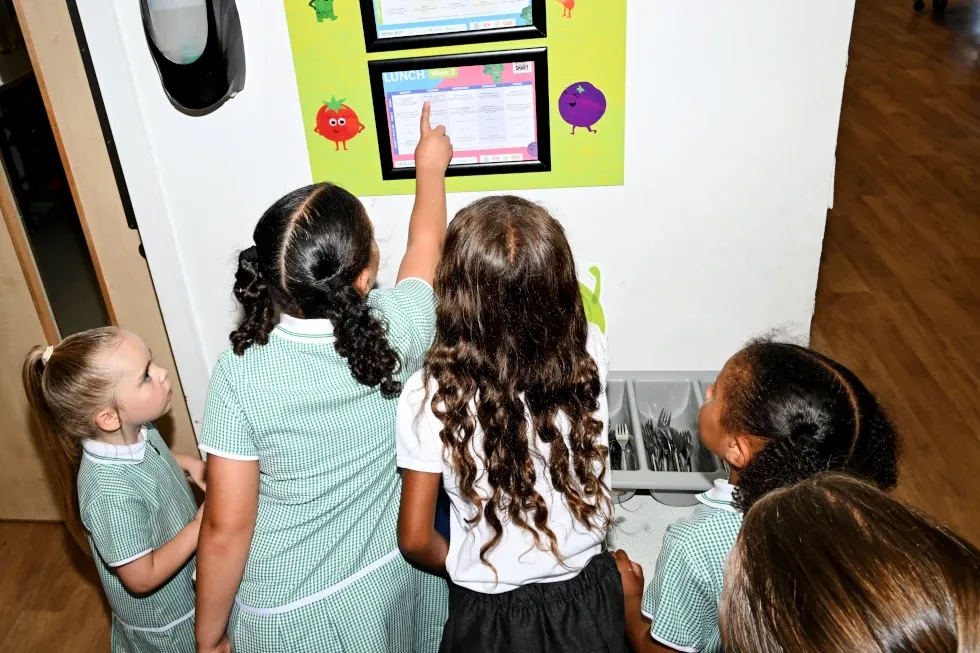
Perhaps the most important part of our approach is the opportunity to involve pupils. Schools are places where habits, knowledge, and attitudes are formed. By helping young people understand food and where it comes from, we can make sustainability something they experience rather than simply something they hear about.
Our chef-led workshops and food-themed events provide opportunities for pupils to explore food in practical ways, from pizza and bread making to learning about nutrition and making healthier choices. These experiences can open conversations about ingredients, food waste, seasonality, and sustainable diets in a way that feels engaging and relevant.
Looking towards 2040
Net Zero by 2040 is an ambitious goal, but the journey is already promising. For AiP, the next stage is about continuing to turn that ambition into action in schools. Here’s how.
Reduce food waste by using data and technology to understand what is happening in our kitchens.
Source responsibly by working with local suppliers and building stronger, more resilient food networks.
Develop sustainable menus that make seasonal, plant-forward, and responsibly sourced food appealing to pupils.
Use resources more thoughtfully across our kitchens and operations.
Engage pupils so that sustainability becomes something they can understand, experience, and take with them beyond school.
Ultimately, our roadmap to net zero is about much more than carbon. It's about creating a school food service that uses resources responsibly, supports local communities, provides nutritious and enjoyable food, and helps the next generation understand the role they can play in creating a more sustainable future.
Interested in a catering partner that takes sustainability as seriously as nutrition? Get in touch with our team.